Wonderbox: Five Brilliant Things

I tend to consume a lot of British content. Through this, I have also stumbled across some fun podcast formats. In many cases, the format involves learning about someone’s life through a very specific lens, which I find rather enjoyable. (If you have read past blogs of mine, you likely already know this – I’m quite fond of Brett Goldstein’s Films to Be Buried With, which uses the lens of films to learn about people.)

While listening to these sorts of podcasts, it’s hard not to think of what my own answers might be, so I thought I’d do this exercise out loud again. In this case, it’s Five Brilliant Things with Russell Howard (British comedian). This podcast “celebrates the stuff in our lives that makes it worth getting up in the morning. Each week a different special guest sits down with Russell to explain the things from their lives that bring them happiness.”

The podcast starts off with this sort of intro: “Hello, I’m Russell Howard, and this is Wonderbox. A Wonderbox is a place where you keep the things that remind you of the stuff you adore. So I thought it would be cool to do a podcast where I ask some people what they put in their Wonderbox and have a chat about the most amazing moments in their lives.” The guests are mostly other British comedians, though there may be names you recognize if you scroll through – he’s so far got over a hundred episodes.

Item 1: A stuffed Donald Duck that my parents bought second hand at a garage sale for a quarter when I was a toddler. It became my favorite toy, and I imbued him with so much juju that my mother couldn’t bring herself to put his head under water when she would give him periodic baths. Mostly, it’s the stories surrounding this duck (which yes, I do still have) – like how when I was four or five, a boy up the street, who was ten, took my duck and wouldn’t give it back. I don’t remember this, but apparently I decked him and knocked him out cold. (That last bit may be apocryphal ¯\_(ツ)_/¯ but it’s a family story that’s still told to this day.) I also once rewrote the lyrics of The Beatles’ “Taxman” to “Quacksman” and was just wandering around the house making Donald sing it (I think I was seven?) (My dad called out, “Those aren’t the words,” and I, probably rather sassily, called back, “They are when Donald’s singing it!”). A lot of memories from my childhood are tied to that duck.

Item 2: My nana’s sweatshirt. It’s a sweatshirt she kept in the coat closet that she would wear on her walks around the neighborhood when the temps dipped. It has a design on the front of folks walking with umbrellas – all you can see are their booted feet, a long jacket, and the umbrella. Above it, there is text that says, “Neither rain nor sleet nor snow shall keep my from my walk.” And until about eight months before she passed, it didn’t. She was my favorite person – there’s just something magical about grandmothers, and I had the best ones. I hate talking on the phone (Hate. It.), but I could spend hours chatting away with her. The sweatshirt now hangs in my closet – it’s not something I ever wear; it’s simply a reminder of her. I actually just searched online for it to see if I could find an image:
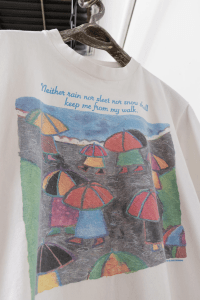
I don’t love that the site that the image comes from calls it vintage when it’s from the ’90s… I mean… Ouch.

Item 3: A recipe that my papa wrote out and is framed in my kitchen. It’s for his Brandy Old Fashioned. My mom has never been much of a drinker, but every Christmas, Papa would make her his old fashioned. I remember she let me try it once, and I hated it (but I was also in my teens and not well-versed in the way of booze…despite living in the booziest of states at the time). I had no idea that one day it would be my favorite cocktail (though with whiskey – not a huge fan of brandy). When my papa was diagnosed with cancer, he wrote out the recipe for me on a notecard so that if there was ever a Christmas he wasn’t around, we could make Mom her drink. There are a number of things in my house that remind me of him (he gifted me his hole-in-one golf ball), but I love his penmanship – it’s so much like him, ordered and neat. Makes me smile when I see it.

Item 4: My dad’s drum set. Some of my best memories as a child were when he’d set up his drums in the living room, put on a record, and play along. We’d have a little party, my sister and I dancing and singing along. I know he was disappointed when neither of us picked drums when we joined our school band, which is certainly not the hope most parents have regarding their child’s choice of instrument. These days, I’d love the chance to learn how to play them. There’s still time.

Item 5: My first passport. While we ‘traveled’ a lot growing up, we traveled to the same spot (sometimes thirteen treks in one summer). We went camping in Door County. And then when we moved there, we traveled back to IL to see family. And we had one side quest to Mayo Clinic when I was thirteen. But that’s it. I didn’t travel out of the Midwest for the first time until I was in college – and I fell in love with it. I loved experiencing new places and learning about them. At the time, I didn’t have my own car, so the thought that I could just hop into one and go anywhere…well, it felt out of my reach. But I caught the travel bug. Hard. I took every chance I had to travel – I was a member of my college’s Habitat for Humanity chapter, and we did collegiate challenge trips every winter and spring break. These trips opened my eyes to the fact that I really could just get in a car and go anywhere. (Well, assuming I had money for gas and food. And a car to get into.) The first time I left the country, I got that same feeling – like, holy s#|t, I really can just do this… I had so many opportunities drop into my lap – a chance to go to Kenya (my first trek out of the states) to volunteer at a school for girls, to be the assistant director of a study abroad, to participate in a professional exchange with an English Translation professor in China. A simple passport could open the world to me. That first trip changed me, and I’m grateful for it. So that first passport with that first stamp acts as a representation of that.

What five brilliant things would you put in your Wonderbox?
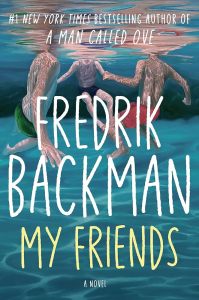
First Friday Rec: My Friends

Title: My Friends
Author: Fredrik Backman
Translation by: Neil Smith
Genre: Contemporary Fiction
Pages: 436
Publication Date: 6 May 2025
StoryGraph* Moods: emotional, hopeful, finny
How I Stumbled Upon This Book: tasked it for book club
Other Books by this author: A Man Called Ove, And Every Morning the Way Home Gets Longer and Longer, Anxious People, Beartown, Britt-Marie Was Here, My Grandmother Asked Me to Tell You She’s Sorry, The Deal of a Lifetime, Things My Son Needs to Know About the World, Us Against You, Winners
*StoryGraph also offers content warnings (highly recommend checking those out first).

Description: It’s all tied to a painting. When most people view it, they see the sea. Louisa, however, sees the three tiny figures on the end of the long pier. What started as a life goal of simply seeing the painting in person takes her on a journey to discover what ever became of those kids.

Why I recommend this book: I knew nothing of this book aside from a lot of people were talking about it (and even that I learned second hand). I was tasked this for one of my book clubs – and I DEVOURED it. I’m a fan of character-driven stories. Check. Braided stories. Check. Reveals that are surprising but also earned. Check.

I know I know – a story all spurred by a painting of the sea? I promise – it’s tender and joyful, filled with emotional moments but also laughter. The deeper into the stories of those tiny figures, and Louisa herself, the more the writing propels you forward.

But if for nothing else, read it for the writing. It’s a masterclass in voice, as well as building characters.

As I noted above, I would recommend checking out the content warnings before you begin. There are plot points that are not easy. They do make the high points all that much higher, though.

I don’t read reviews of books before I start because I don’t want them to color my reading. I did take a peek after, though, and it’s interesting to see how polarizing this book was for Backman’s readers. This is my first Backman, so I don’t have the others to compare them to – I might feel differently if I did. (I did see the Hanks film A Man Called Otto, but I didn’t know it was based on a Backman book until after I read this.) Also, my book club was pretty well split on it – so take the above with a grain of salt. ¯\_(ツ)_/¯

“You’re an artist if you create something! You’re an artist if you don’t see the world the way it is, if you hate white walls! No one else decides what art is, no one can stop you loving whatever you like, the cynics and critics can have control of all the crap on the planet…but then can’t decide how hard your heart beats! Become whatever you want, but don’t become one of them. Art is a fragile enough light as it is. It can be blown out by a single sigh. Art needs friends, with our bodies against the wind and our hands cupped around the flame, until it’s strong enough to burn brightly with its own power. Until it’s an inferno. Unstoppable.”
~ Fredrik Backman translated by Neil Smith, My Friends

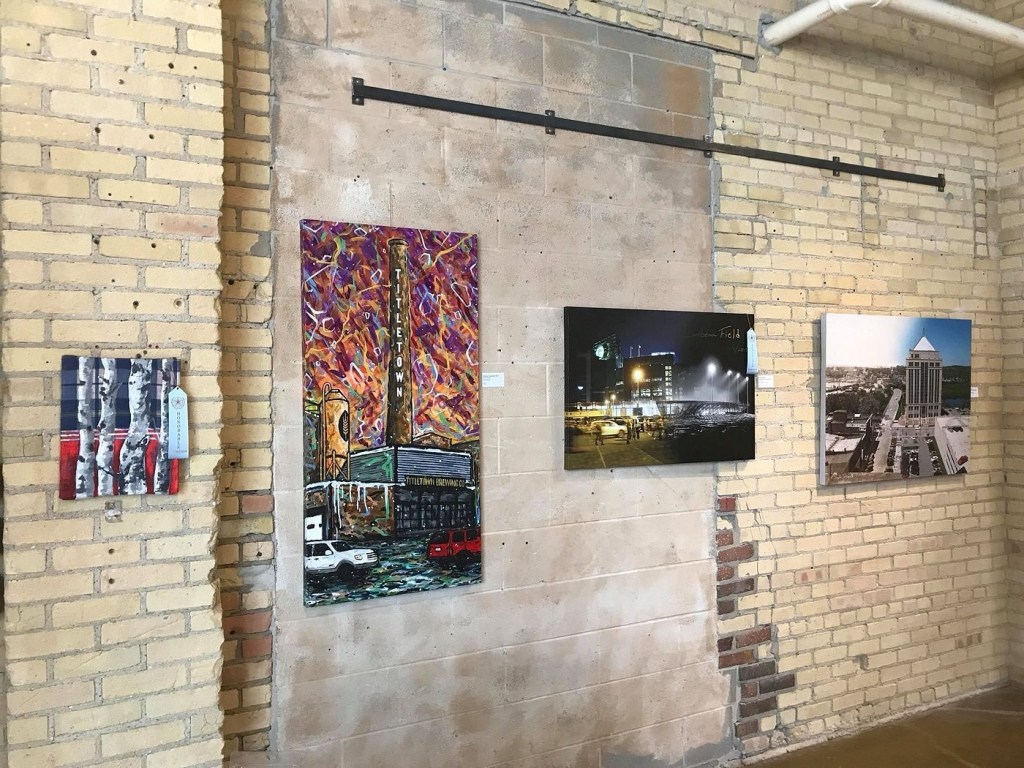
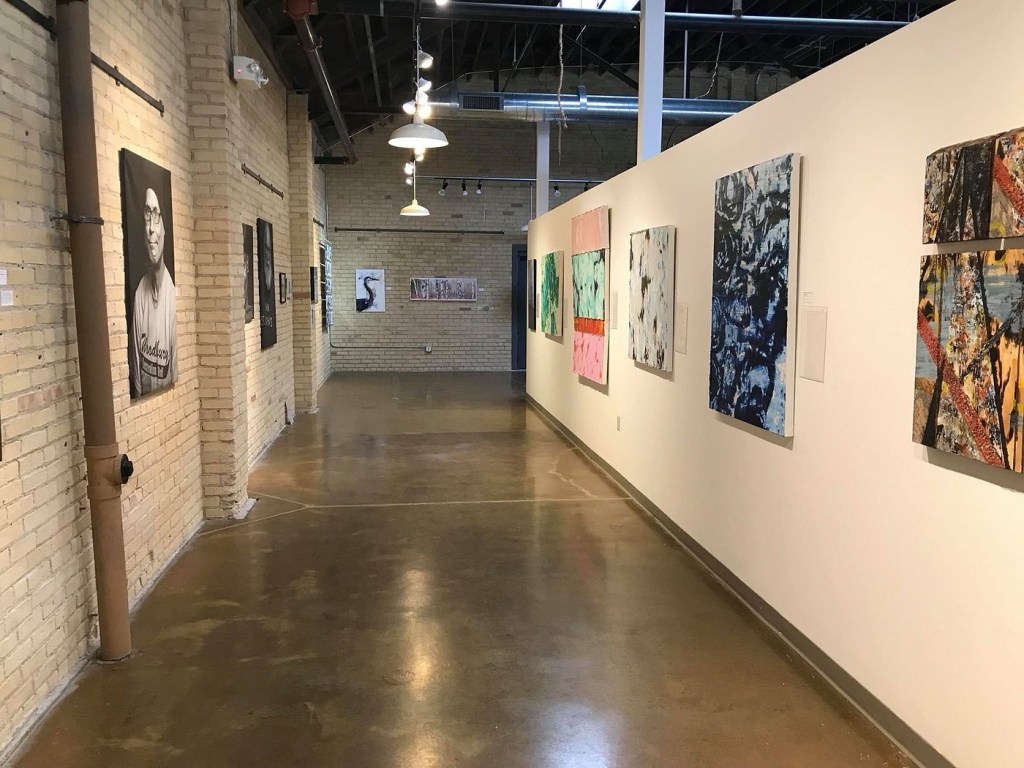
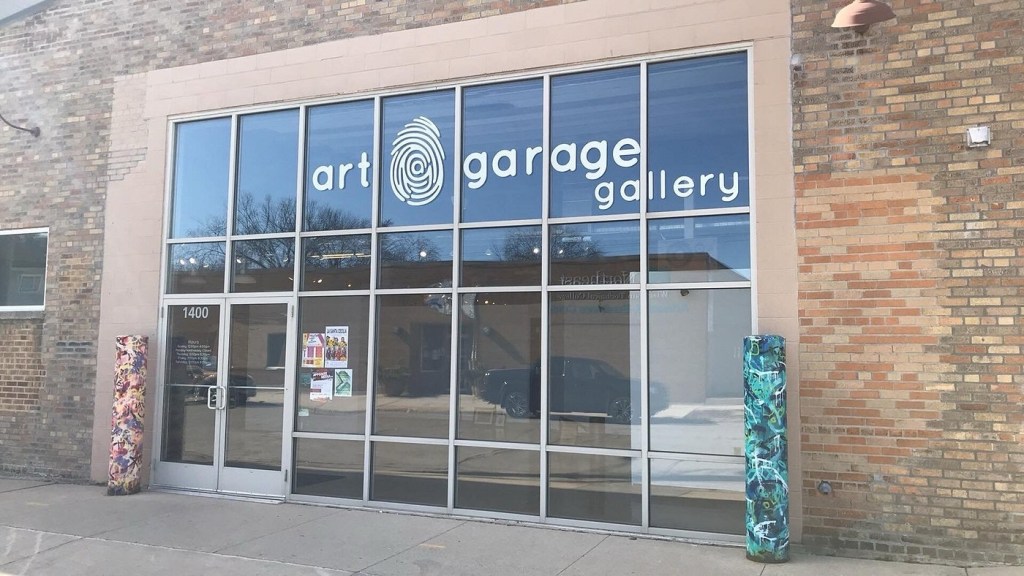
AFT: The Art Garage

The Art Garage is one of the featured locations in my novel All Falling Things. In the story, it’s an old mechanic shop turned art gallery in Chicago – five stall capacity with the glass garage doors left in place, concrete cleaned of all stains and polished, and moveable walls constructed to section off individual spaces or shorten the galley if a show can’t fill the entire thing.

In reality, this is an art gallery in Green Bay, WI, that I first encountered when I lived there for college. I thought the concept was great, and I opted to transport it to Chicago for this story.

Photos from Trip Advisor

If you are ever in the city (Green Bay, that is), stop by and check out the latest show or shop the local author fair, maybe take a class.

If you want to visit the Chicago version of the gallery, well, you can once the book comes out. The gallery becomes a second home, a sanctuary, for one of the characters to find their path in life. It was fun to get to live within its walls, even if on a page, and create shows and art pieces to fill the space.

Another Year of Camping

I’m not gonna lie – this school year took it out of me.

If you didn’t already know, in addition to being a writer, I also teach writing at a small community college. Most of my course load is composition (those first-year writing classes that no one would take if they weren’t required to) with a few Humanities and Creative Writing courses sprinkled in. It’s always been a struggle, especially in those comp courses, to get students to care about writing and understand why it is still such an important skill (hint: teaching writing is about far more than teaching them to write).

A few years ago, though, my job became exponentially more difficult. A new tech was on the market, and now students didn’t have to spend much time at all on their writing. Or their thinking. Or their thinking about writing. No more moments of discomfort – because this new tech could think and write for them. And suddenly, I began spending too much of my time providing feedback to a software that is no more intelligent than predictive text. (While it’s easy to tell the difference between student writing and writing slopped together by something else, it’s not always super easy to prove.)

Now, I’m not so old (or old fashioned) not to understand that there are tasks that I would absolutely pass off to something else to free up time to do the things that I actually want to do – but those things are laundry and the dishes. Those roomba-like lawn mowers also seem like a stellar idea.

But learning? Sitting in those moments of discomfort while figuring something out? Creating?

Absolutely not. I love those moments. I’m eager for them.

So it’s a little bit tricky for me to understand what has happened to make students SO uncomfortable with discomfort that they risk failing an assignment or a course…or even expulsion – just to avoid it. (Not to mention they are paying to take these classes. If anyone is devaluing the degrees earned in college, it is not the institutions providing them – it’s this tech and people who choose to use it for this purpose.)

The workarounds for teachers are not simple. The more we try to create assignments that a large language model can’t respond to, the better that LLM gets at faking being human. Aside from sitting students in a classroom, removing all access to tech (which isn’t then accessible for some disabled folks), and making them hand write their papers in front of us (which can’t be done in an online course, not to mention completely flies in the face that writing is a process and takes time and thought and revision…), there’s not much we can do aside from threatening a failing grade if they are caught. And this year demonstrated more than ever that a failing grade is not enough of a deterrent to stop someone from outsourcing their homework (and therefore their learning).

I do refuse to use this tech – in my teaching, in my writing. Not because I’m, as I was called in a professional development session, a tech-denier. (I’ve spent my whole life learning new tech after new tech – and embracing most of it.) But because this particular tech robs me of the joy. And if I need more of anything in today’s world, it’s joy. Joy in watching a concept finally click in a student’s mind. Joy in crafting narratives and exploring worlds and relationships on the page. (And don’t even get me started on the joy stolen due to copyright infringement and the environmental impact of this particular tech…)

But then, I’m also a person who is still in awe of sunrises and sunsets. Who loves sitting around a campfire telling stories and laughing. Who enjoys camping simply because it gets me away from all that tech. And this year, maybe more than any in a while, a weekend of camping with friends to celebrate the simple things in life is just what I needed.

Note: I had intended to write a blog about camping. My fingers took me another direction. Apologies. ¯\_(ツ)_/¯

Noticing a New Detail

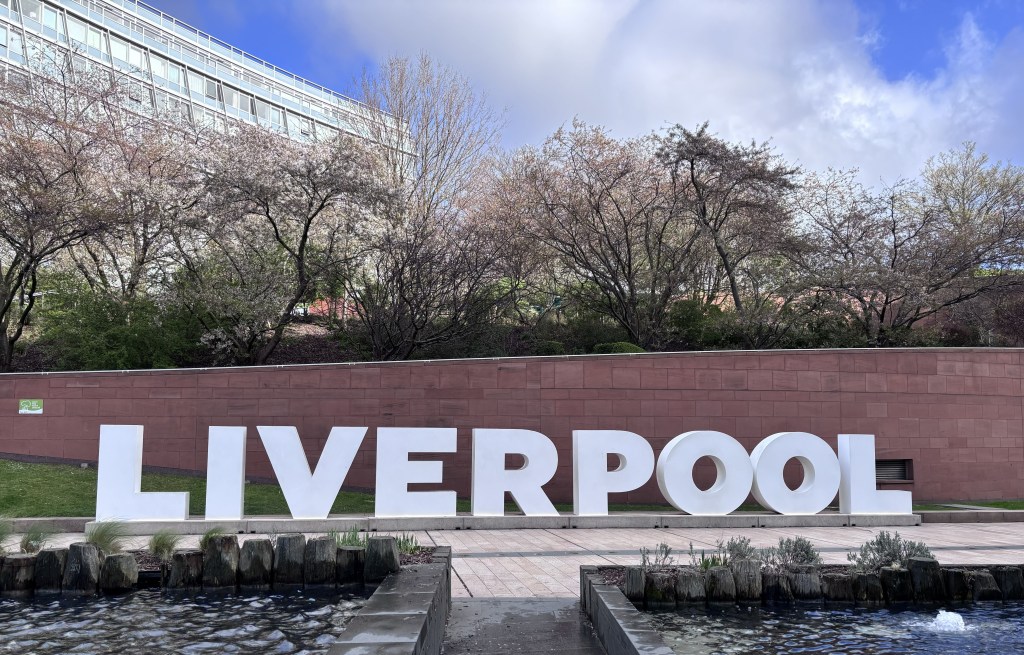
A couple months ago, as I noted in a previous post, I hopped across the pond for a little adventure with my bezzie mate. During our time, we visited Liverpool, Dublin, and drove along the north coast of Wales. It was a wonderful trip, and I can’t wait to return.

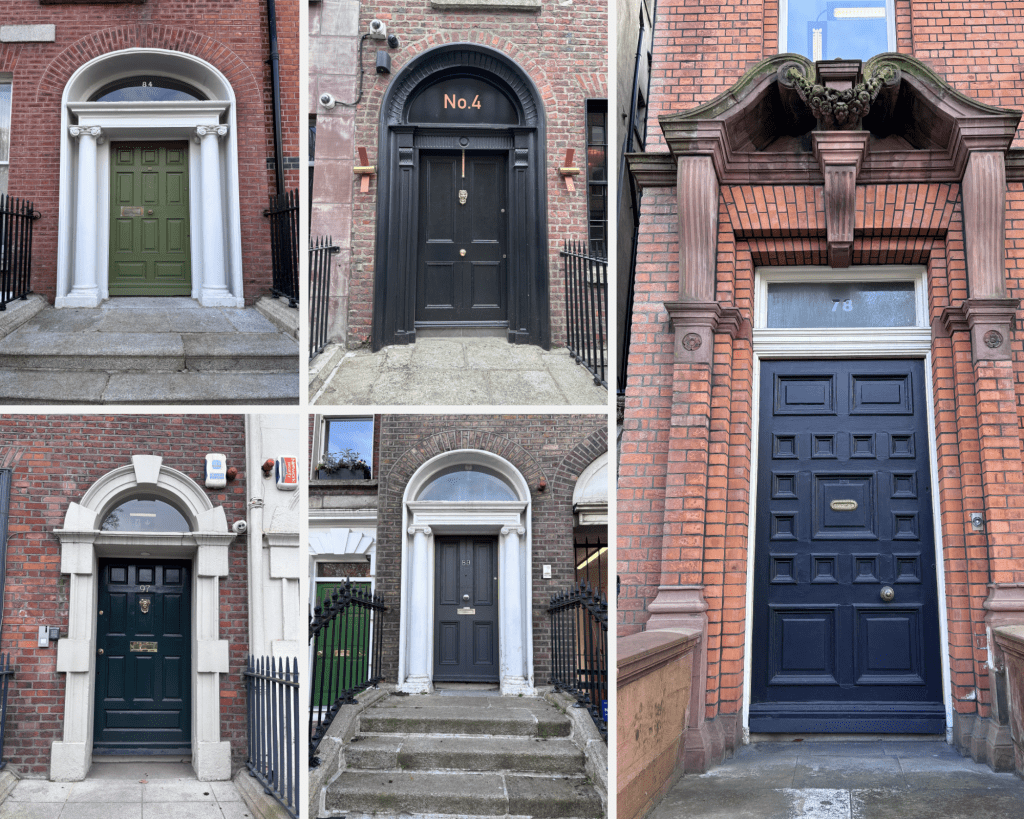
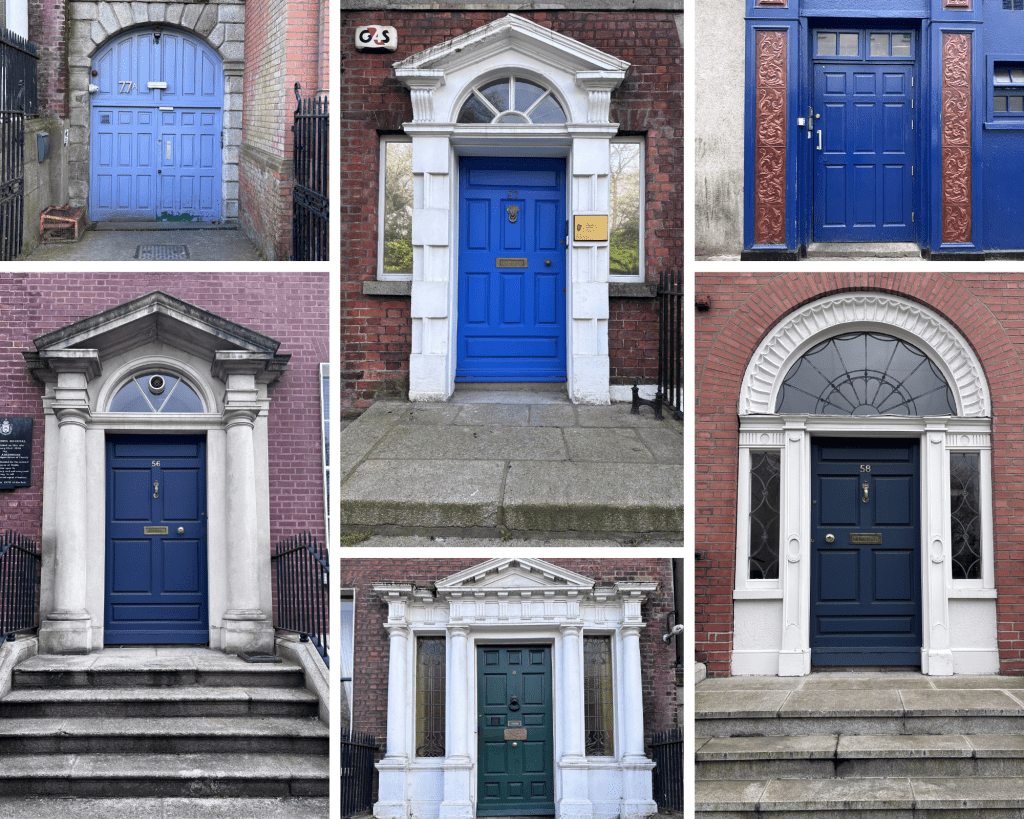
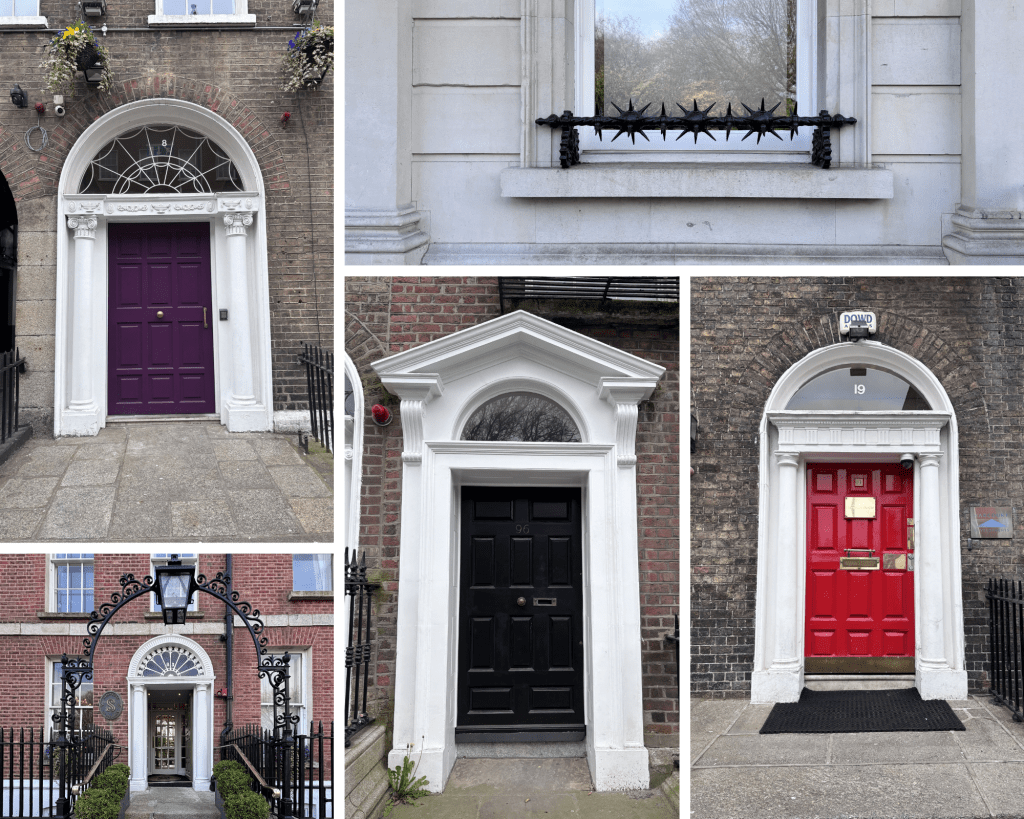
While we were in Dublin (which occurred mid-trip), we noticed that every shop had these postcards of Dublin’s doors – these really cute doors, at that. After a bit, we started to notice the doors themselves on some of our wanderings. It’s interesting – how you can exist alongside something without noticing. Then someone (or something) points it out to you. And you see it everywhere. It’s like when you get a new-to-you car, and suddenly you see that make/model everywhere. Or you learn a new word, and it pops up three more times that day – and you swear you’ve never heard it before.

And here’s the thing – the doors really are cute.

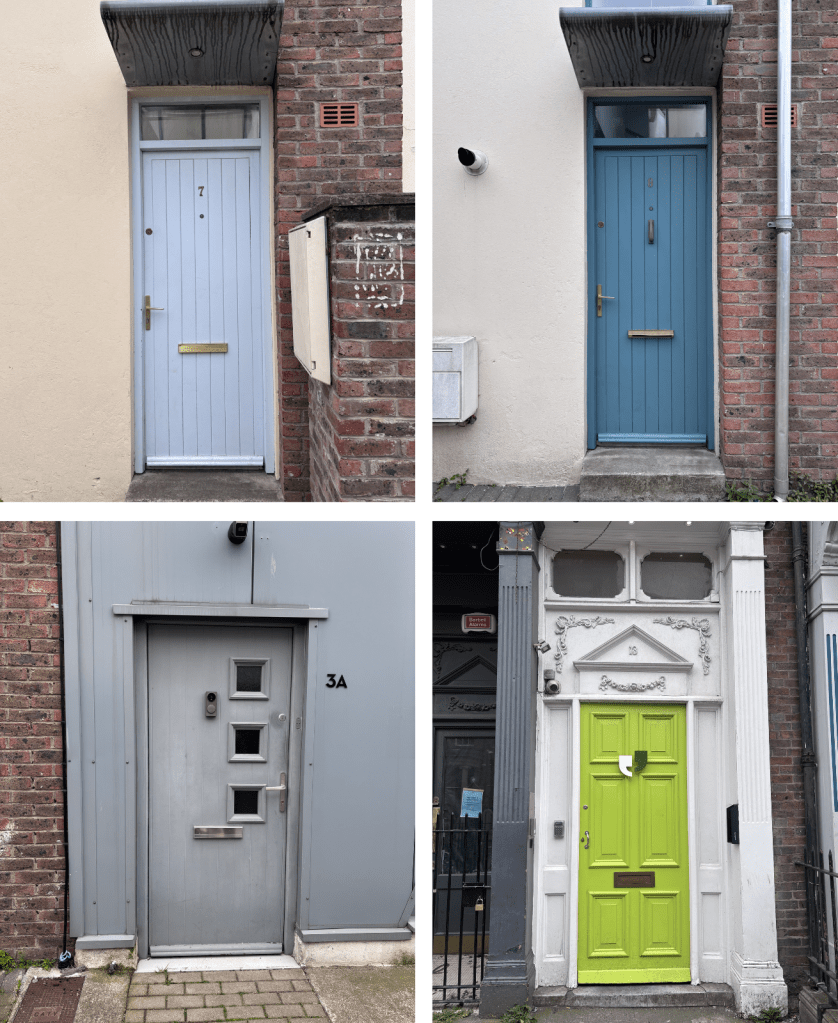
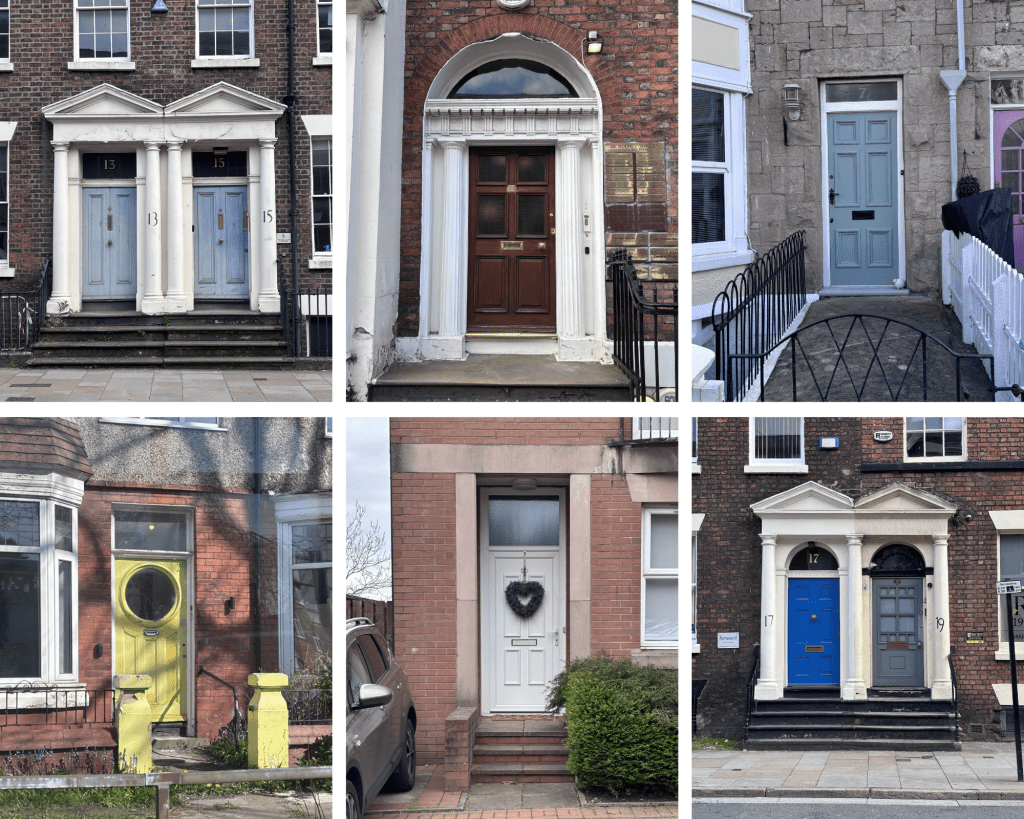
So cute, in fact, that we started noticing them elsewhere – like in Liverpool, where we had already spent a few days wandering around.

Then cut to the incredibly idyllic town of Llandudno in North Wales. (Seriously – I could live in this town…)

“They do doors better than we do” is not a phrase I ever thought I would utter. It was such a fun detail to have brought to our attention, and it changed the way we moved through some of the neighborhoods – or even paths we wanted to take because ‘that door over there’ looks neat.

I tell ya, this trip has got me seriously reconsidering my own front door.

What sort of details do you notice when you’re out adventuring?

Baseball Season has Begun

I know what you’re probably saying (at least if you are a fan of Major League Baseball, that is): “The season began a while ago. Where have you been?”

Yes, my cubbies have been at it for a couple months now. That’s not the baseball I’m talking about.

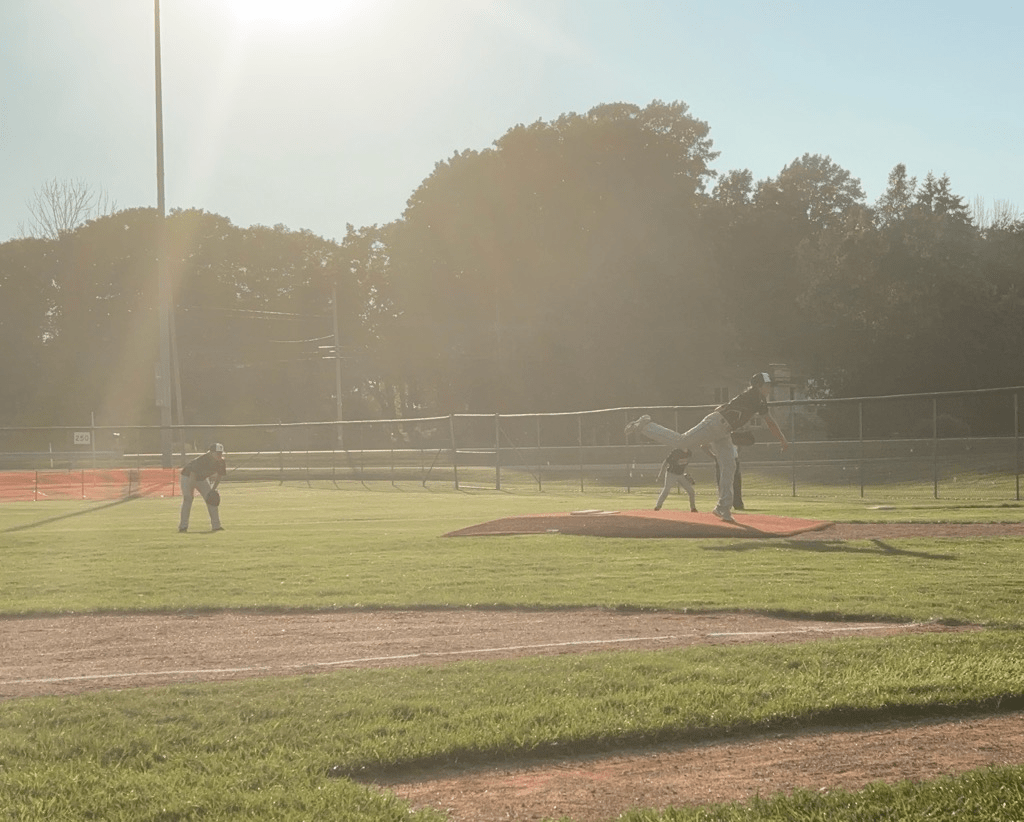
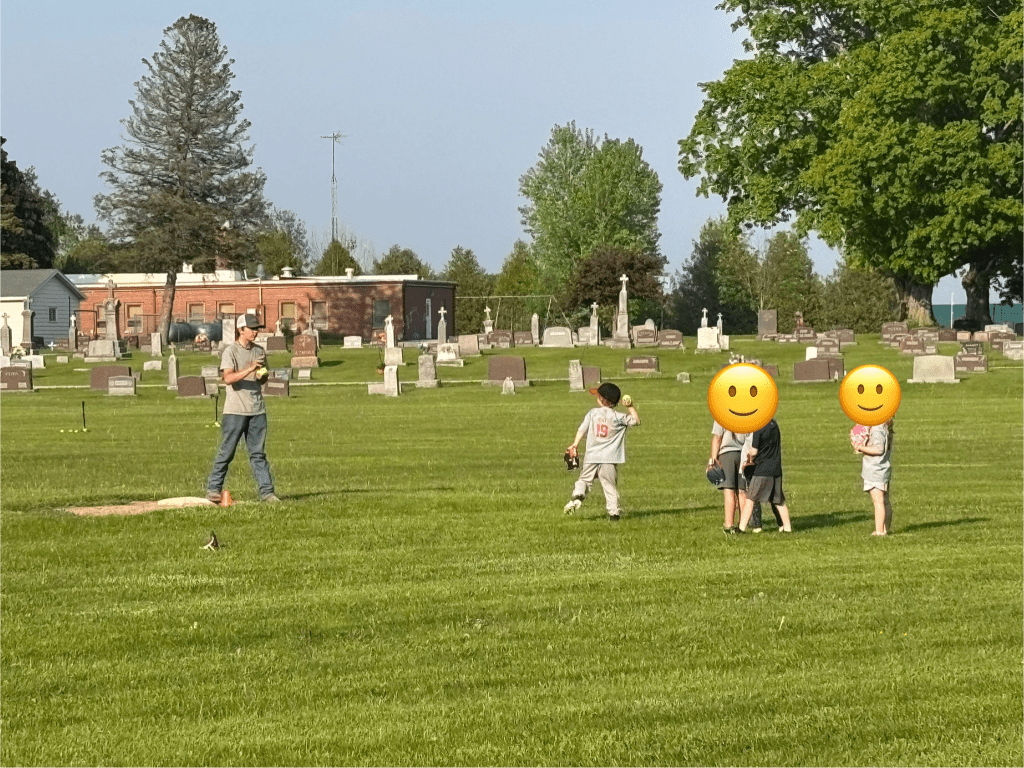
I’m talking about a baseball with fewer homerun hits, much shorter players, and perhaps a little more chaos. I’m talking about my nephew (on the pitcher’s mound in the photo below). Yep, I’m not just a writer – I’m an auntie, as well.

I’ve been a Chicago Cubs fan all my life – meaning I was raised by Cubs fans. I can’t imagine cheering for any other MLB team – and, yes, I cried when Bryant threw that final out to Rizzo in the seventh game of the World Series in 2016. I’m not ashamed to say it. (Our dog was even named after cubbie Ryne Sandberg, my dad’s favorite player.)

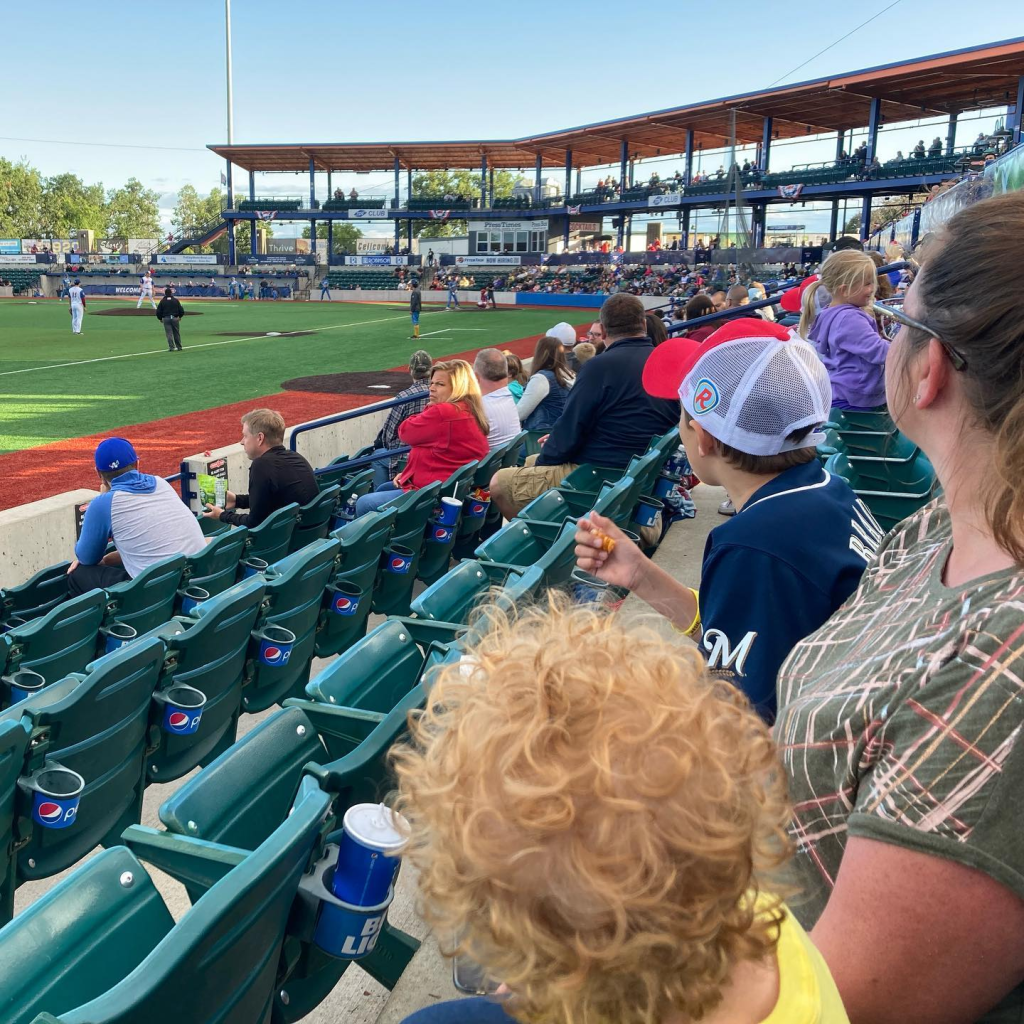
I never considered that baseball might enter my life in another way – and certainly not that I would be rooting for the enemy (my nephew goes to the school that was my school’s arch rival ¯\_(ツ)_/¯) – but here we are (he’s also being raised by Brewer fans, but we can forgive him of his childhood innocence and love of his parents). It’s become another thing for us to bond over (we also both love LEGOs and matchbox cars), a way for auntie to support and root for her not-so-little-anymore bean. We even take in games (our state has both college-league and minor league teams, so thankfully it doesn’t break the bank to for the entire family to do so):

I’ve lost track of the times I’ve reminded him that the only thing he has to do to make me proud is go out onto that field and try. And try he has.

HIs favorite position to play is catcher (followed by pitcher), and it’s hard not to reminisce about that first game when he would jump up from that crouched position and could barely throw it back to the pitcher’s mound – and now he can launch it to second base like it’s nothing. His confidence and skill have grown over the years, and he’s even passing his knowledge on to his little brother (who last year started in his own little league). [I’m not sobbing giant proud auntie tears – you are.]

It’s baseball season, y’all. And I can’t wait to see how much both my nephews grow this season.

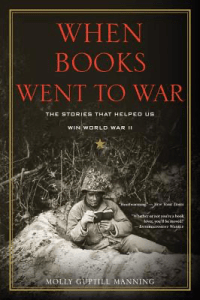
First Friday Rec: When Books Went to War

Title: When Books Went to War
Author: Molly Guptill Manning
Genre: Nonfiction, History, Informative
Pages: 267
Publication Date: 2 Dec 2014
StoryGraph* Moods: Informative, Inspiring, Reflective
How I Stumbled Upon This Book: I had originally heard about it from a friend and thought to put it on my TBR; then I read a historical fiction novel for book club that included these books going to war, and I had to get it immediately.
Other Books by this author: The Myth of Ephraim Tutt and The War of Words: How America’s GI Journalists Battled Censorship and Propaganda to Help Win World War II
*StoryGraph also offers content warnings.

Description: Outraged by the blatant banning and burning of over 100 millions books in Germany during World War II, librarians in the U.S. banned together and launched a program to send free books to American troops – 120 million small, lightweight paperbacks, that a soldier could carry in their pocket, went to war. They had over 1,200 titles, helping to “rescue The Great Gatsby from obscurity” and making “Betty Smith, author of A Tree Grows in Brooklyn, into a national icon. ” This is the story of that program.

Why I recommend this book: I mean, what a cool piece of history that I knew nothing about. Librarians are magicians in my eyes, so to learn that they did this – and that it helped the soldiers fighting war – do I really need to say more to convince you to give this a read? I just wish I had learned about this before my grandfathers passed – both were Navy during WWII, and I wonder if they ever had such a book in their hands.

I will note – this is something to read for the history, not necessarily the writing and structure. But if you love books and librarians, and you hate censorship, give it a go.

“You can burn my books and the books of the best minds in Europe, but the ideas in them have seeped through a million channels and will continue to quicken other minds.”
~ Molly Guptill Manning, When Books Went to War

AFT: Meet the Team

You’ve met Alice. You’ve met Stanley. Now, meet the team. 🙂

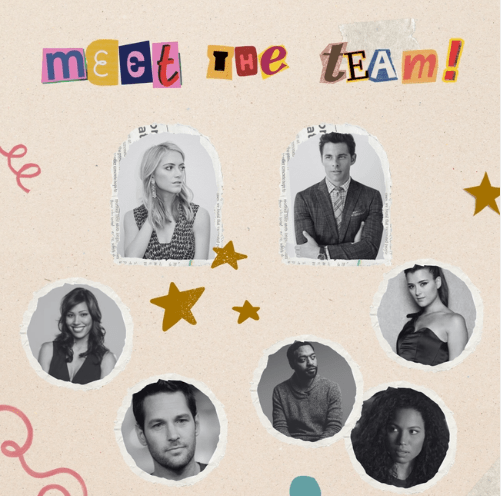
Along with my main characters, I like to cast prominent secondary characters. This helps me keep a specific image of them straight in my head as I write. I thought I’d take a minute to introduce you to some of those characters.

In this case, Alice has two that appear in the story (the rest of her ‘people’ are back in California, so they don’t really appear on the page aside from in photos and texts). The first friend Alice makes in Chicago is Kya, a woman she meets on the train – Alice happens to be reading from her favorite book. The two bond quickly, and Kya becomes a support for her. (I cast Michaela Conlin from Bones as Kya; she’s the Cheshire Cat character – she’s got a bit of a crooked smile and loves asking philosophical questions).

The other secondary character that takes up page space is Lucas, an artist and teacher at a local art gallery. He becomes both her friend and her teacher as she takes up painting again. While he does teach his students the basics of skill, he supports his students taking chances and finding their own voices. (I cast Paul Rudd in this role – that boyish charm is exactly what I wanted for him. He is loosely based on the Dodo, which is not in any way an insult. In the original story, the dodo proposes a Caucus race where participants can run patterns in any shape – starting and leaving wherever they felt like – in other words, everyone wins. This feels very Lucas. In addition, at the end of the race, Alice empties her pockets to award prizes to all the contestants, leaving none for herself. The dodo requests she check again, and she comes up with a thimble. He asks for it, then presents it as an award for Alice. Also very Lucas.)

Stanley has three people who take up space in his life. The first is Cat, his best friend from law school, who joins him in Chicago shortly after he moves. She’s Italian and a bit sassy; she doesn’t have time for nonsense, and her honesty can sometimes feel cruel. (I cast Cote de Pablo; Cat is the caterpillar – she smokes too much and is quick with a ‘who are you’ – usually with a bit of a bite to it). Next is Tarrant Hightopp, another friend from law school and Stanley’s boss when we meet him. (I cast Chiwetel Ejiofor; he’s the mad hatter – while he’s got his act together, he still maintains an aura of chaos about him), and Carol Lewis Hightopp, Tarrant’s wife and Stanley’s friend – of more note, she’s the most sought after caterer in the city (I cast Jurnee Smollett; an equal mix of motherly love and supportive friend, she’s not afraid to put people in their place but always gives them a gentle/soft place to land; named for Lewis Carroll, of course)

Casting aside, I love these characters and do sometimes wish they were real live people walking amongst us.

Strawberry Field

Before I can tell you the story I wish to tell you, I have to tell you another story – of a young girl growing up in a suburb of Chicago, whose father also grew up in a suburb of Chicago and played in a rock’n’roll band (this was the ’60s/’70s). Music is one of the things these two could really bond over. Back then, my dad would take out his drum kit, set it up in the living room, put on a record, and play along. These are some of the happiest memories of my childhood. It’s been well over thirty years since I last heard him play – I honestly can’t tell you the last time he did (and not because he can’t).

There is a lot of music from ’60s and ’70s I can still sing by heart, but I don’t know that I could tell you who was singing. Music was a constant – in the car, at home. My dad once blew out the speakers in our car blasting music. Loud noises rarely startle me even these days because, at completely random times, the record player in our house would start blaring out of nowhere. I knew I enjoyed the music he played, and I enjoyed the joy he got from it. But I never usually stopped to ask – “who is that?”

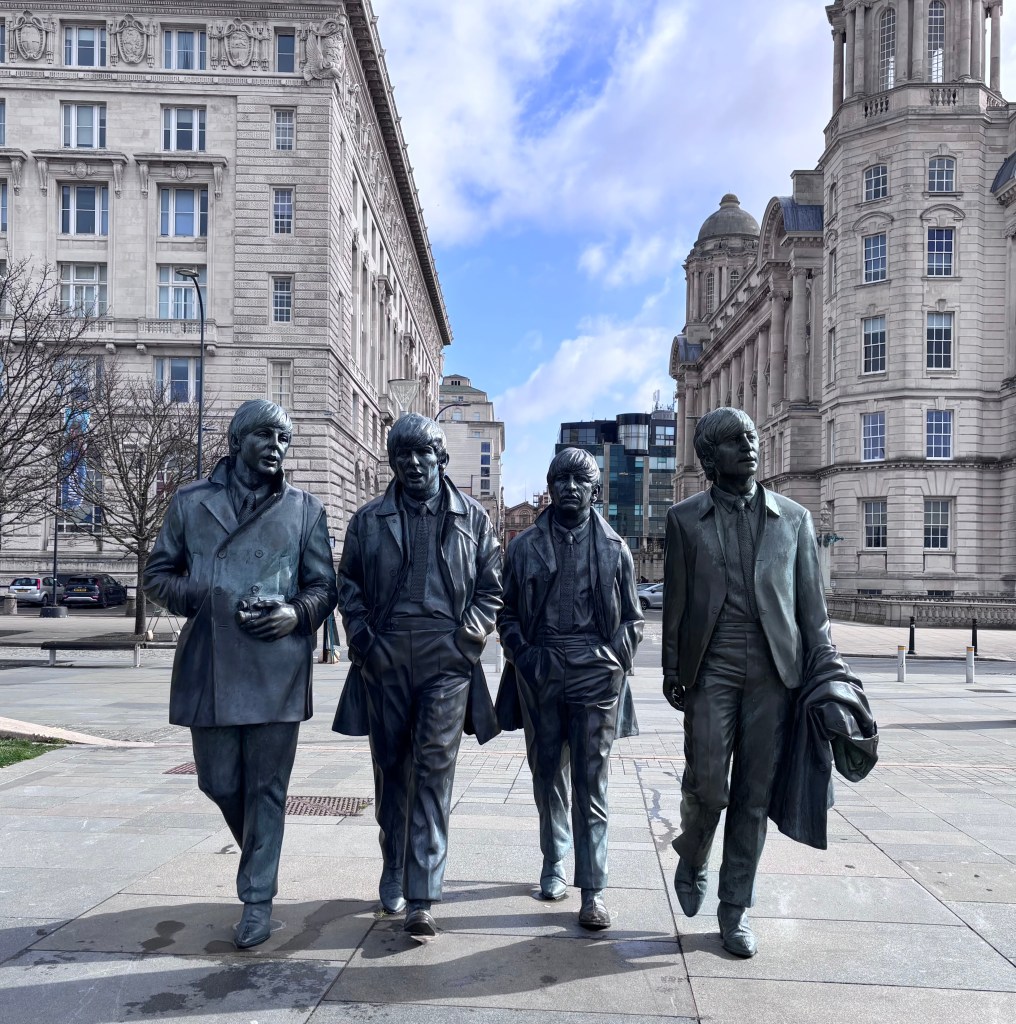
That being said, the most played records in our house were the Beatles. I could not only recognize them in a few notes, I could sing entire albums word for word and tell you which of the four was singing it. I know that the Beatles got in a lot of hot water when Lennon said they were bigger than Jesus, but I have on more than one occasion uttered the phrase “McCartney was like God in our house.” (Our dog even bore McCartney as a middle name.) And taking my dad to see McCartney play at Miller Park in Milwaukee is still my #1 night of music – he was like a kid again, which is saying something because he was sixty-four at the time and it was 91F (32C).

I tell you all that so you understand that the Beatles were a big part of my childhood, and they continue to be in heavy rotation on my record player. (Yes, I have a record player – what can I say? I’m sentimental.) I even have two of their lyrics tattooed on my person. (One is a motto, the other a memorial for someone who has passed.) So fast forward to this last March when my bezzie mate and I took a trip ‘across the pond’ to Liverpool.

I have this thing about history. Touching historical things. Being in historical spaces. I don’t know why. I can’t even really explain what it is. But even knowing this, I wasn’t fully prepared for what I experience there.

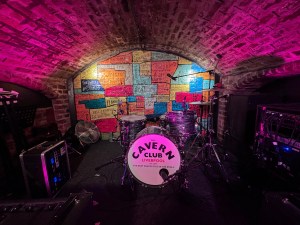
I’ve seen the photos of the young Beatles playing at the Cavern Club. I’ve seen the video of them playing there (for the 126th time – though the first time recorded with synchronized video and sound; Ringo had just joined the band). And yet I wasn’t prepared to walk into the club and see it with my own eyes – to stand on the spot where the Beatles once stood over sixty years before.

The club, which is part museum, still has live music, and I sat for a few hours listening to covers of musicians from those days (mostly Beatles, but a lot of other folks, too). I should have anticipated getting emotional – but it still came as a surprise. The amount of history that strange little club holds within its brick walls is astounding. And sitting there, listening to Beatles music – even covers – gave me a taste of what it might have been like.

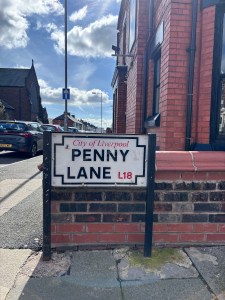
Another stop was a quick stroll around Penny Lane. I’ve come to learn that some folks didn’t know that this was a real place. But it is indeed. The barber shop still exists, though it was under construction when we were there. (“In Penny Lane, there is a barber showing photographs / Of every head he’s had the pleasure to have known / And all the people that come and go / Stop and say hello”). As is the roundabout (“Behind the shelter in the middle of a roundabout / A pretty nurse is selling poppies from a tray / And though she feels as if she’s in a play / She is anyway”), though it now has a second level and has been converted into a bistro with Beatle murals all around it. We did luck out with weather while we were there, so the notion of “Penny Lane is in my ears and in my eyes / There beneath the blue suburban skies” certainly rang true.

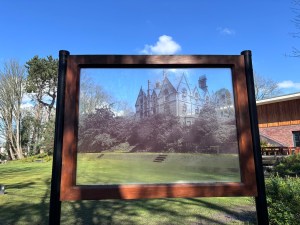
Probably the most profound stop for me, though, turned out to be Strawberry Field. Yes, this, too, is a real place (though interestingly, it was not mentioned in the first several draft of the song’s lyrics – it was a late addition). Strawberry Field was a children’s home near the house where Lennon grew up (after moving in with his aunt at the age of five). There was a tree in the back yard he could climb up and see over into the grounds. He spent a lot of time there, sneaking in when he wasn’t supposed to, going with his aunt to listen to live music.

The mansion that once stood on the grounds is no longer there, but there is a new building serving as both cafe and museum (they have some neat artifacts like handwritten original lyrics of the song and the piano on which Lennon wrote and recorded “Imagine”). The museum is set up with visuals and a handheld device with headphones that allows you to link into the videos playing throughout. The tour includes a walk around the garden (or yard for those of you in the states). At one point, I sat down on a picnic table and found a playlist on the device – you could listen to a number of songs, but of course I picked “Strawberry Fields Forever.” And I’m not at all ashamed to say I shed a few tears.

I’m a sentimentalist, remember?

But also – one of the lyrics I have tattooed, my motto, is from this song. “Living is easy with eyes closed.” The lyric continues with “misunderstanding everything you see.” This feels all the more pertinent these days with everything going on in the world. And to be sitting in that space, knowing that a young Lennon ran around that garden – all that history and the present just sort of came together, and it overwhelmed me. In a good way. This song I’ve sung all my life became tangible.

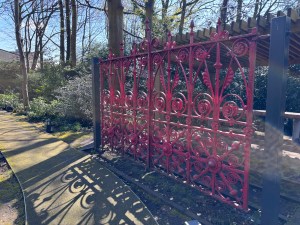
They have since removed the original gate from the front entrance (which is good, because the replacement is covered in graffiti…because of course people can’t resist [sigh]). The original gate sits in the garden, though. It’s beautiful work.

Liverpool is a lovely city. History, beautiful architecture, kind people, the Mersey River (I also have a thing for water). I loved my time there, and I am eager to return to it someday.

Desert Island Discs

I tend to consume a lot of British content. Through this, I have also stumbled across some fun podcast formats. In many cases, the format involves learning about someone’s life through a very specific lens, which I find rather enjoyable. (If you have read past blogs of mine, you likely already know this – I’m quite fond of Brett Goldstein’s Films to Be Buried With, which uses the lens of films to learn about people.)

While listening to these sorts of podcasts, it’s hard not to think of what my own answers might be, so I thought I’d do this exercise out loud again. In this case, it’s the BBC’s Desert Island Discs. The show began in January of 1942 and has had five hosts (Roy Plomley, the program’s creator, hosted until his death in 1985, Michael Parkinson 1986-1988, Sue Lawley 1988-2006, Kirsty Young 2006-2018, and Lauren Laverne 2018-present; the episodes I’ve heard have all been headed by Laverne). While this is, yes, a radio program, it’s also published as a podcast, so I’m going with it.

Each week, a guest (or castaway) is afforded the chance of having with them eight audio recordings (generally, these answers are music, but not always), a book, and a luxury item while existing on a deserted island. Through the conversation, you learn why each song and item means something to the castaway. (They also play a snippet of the song, so I’ll link to YouTube.) (NOTE: The name can feel misleading – by disc, they mean song, not full album.)

This turned out to be more difficult than I thought it would be because while I do like individual songs, I’m very much an album girl – I like to put something on and listen to it start to finish. Sometimes, I like a song as part of an album but don’t necessarily want to listen to it individually. So I first narrowed the albums I love most and then tried to pick a song from each of those. I abandoned that method, and instead, I started with my top nights of live music and went from there.

DISC ONE: “Live and Let Die” performed live by Paul McCartney at Miller Park in 2013. Purely for the nostalgia. It’s not even my favorite McCartney song, and I’m not really one for big venues and lots of lights/pyrotechnics. But I remember hearing about this song and McCartney’s performance of it – over and over – when my parents went and saw him perform when my sister and I were kids. (Related: They told us we couldn’t go because we were too young and wouldn’t remember it – well, I remember not going.) Music was one of the things my father and I could bond over, and I grew up listening to Beatles’ records (and a lot of other ’60s/’70s rock’n’roll). Some nights, Dad would get his drum kit out and play along. For Father’s Day in 2013, my sister and I got tickets for me and him to go (she chose not to attend). I want this song because I got to share that concert with my dad, a night of no arguments – just fun and music. It was god awful hot and humid (91 degrees F/33C), and my dad (in his sixties at the time) and I had walked two miles from where we had to park. But he was like a little kid again. For sentimental reasons alone, it’s my #1 night of music. And once again, when McCartney performed “Live and Let Die” – there were pyrotechnics on stage and fireworks going off above our heads. It was loud and chaotic, and my dad had that boyish sparkle in his eye again.

DISC TWO: A live recording of Leslie Odom, Jr., singing “Without You” from Rent with the Milwaukee Symphony Orchestra. I’ve been a fan of his ever since SMASH (and then was pleasantly surprised to come across his cameo in Gilmore Girls on a rewatch shortly after). The entire night was incredible – would be first on my list of best nights of music if not for those pesky sentimental reasons. But this song – that voice. I got goosebumps, and I’m not ashamed to say there were tears. So beautiful. I could listen to it on loop.

DISC THREE: Similarly, a live recording of Heather Headley singing “Easy as Life” into “Elaborate Lives” from Aida with the Chicago Symphony Orchestra. I knew of Headley from the original Broadway cast recording of Aida (I had seen the tour while in college). I listened to that recording…I don’t even know how many times. I was so smitten with her voice and just knew I had to hear Headley perform live some day. I don’t think I anticipated it taking over twenty years – but damn if she didn’t break every hope I had for the evening. More goosebumps. More tears. Utter magic.

DISC FOUR: “And It Stoned Me” by Van Morrison – because it’s the first song on his album Moondance, which is my favorite of his. If I could take the entire album, I would. But at least I can get that feeling when the first song starts up. I had the chance to see him perform at the Chicago Theater a few years back – he was one of the last big names on my music bucket list. That night is also in my top five absolute best nights of music.

DISC FIVE: “Caves” by Gregory Alan Isakov. Another song that gave me chills the first time I heard it. I knew of him in name only for a long time, and as background music that my friends would put on when we’d have dinner at their place. They invited to me a concert of his, and I went along (because I love live music), and they are an incredible band to see live – every single person on that stage was SO filled with joy. I was absolutely smitten by the end. This song, in particular, stuck around with me. (“Paper Moon” by Miner grabbed me the same way. )

DISC SIX: “In the Unknown” by Volunteer – I first heard him play at a small hole-in-the-wall venue in Madison, WI. It was the first time I heard a song and thought – that could be my anthem. (I remember being really confused, because I had come to see someone else, and I wasn’t expecting an opener. But I’m SO GLAD there was one.) It’s still one of my favorite nights of music and venues. (I’ve been back a few times. It’s just super small and cozy – like ten small tables.)

DISC SEVEN: “Crazy on You” by Heart. I’ve just always loved this song, everything about it. And the first time (and the second) I heard it live, I just loved it even more. That guitar opener. That voice. All of it, on repeat. Yes please. (Though I keep going back and forth – debating about swapping Heart with Skerryvore, so honorable mention goes to “The Sea that Sings” and “Hold On” by Skerryvore.)

DISC EIGHT: I don’t even know how many times I’ve seen Eric Hutchinson live – I will go any time he’s playing nearby. The song I would pick from his discography is “Ok, It’s Alright With Me” by Eric Hutchinson (I love his Sounds Like This album). I chose this specific song because of the lyric “But I’m sick of just startin’ plans / I wanna spend the rest of my life” (which I now realize might feel a bit…awkward? given I’ll be stranded on a desert island). I’d heard this song so many times over the years, but after a particularly rough moment in my life, I listened to it again, and it struck me differently. I, too, was tired of all the planning and never doing. I started “spending my life” and doing all the things I’d always wanted to. I still try to live that way. (A very similar sentiment in Matt Hires “A to B” with the lyric “It’s the traveling, not the road that gets you there,” which I also love. Incidentally, it was Matt Hires I went to see when I first heard Volunteer.)

In addition to the eight audio recordings, you get to pick a book and a luxury item:

BOOK CHOICE: Anne of Green Gables by Lucy Maud Montgomery. It’s my favorite book, and it reminds me of watching the CBC miniseries with my nana, so it’s also sentimental/nostalgic. Reminds me of happy times. I love how Anne is always very much herself – she’s a great study in writing character.

LUXURY ITEM: This is less a luxury than a necessity – but a lifetime supply of 70 SPF sunblock for sensitive skin. I can take one step out of the house and immediately turn into a lobster, so sunblock would be necessary for me to survive on the island at all.

CASTAWAY’S FAVORITE: At the end of the podcast, a big wave comes and sweeps all the audio discs out into the ocean. You have time to save only one – which one do you run after? (As though it’s not hard enough to narrow down to eight…which I sorta didn’t do…) I think I’d go after the Leslie Odom, Jr., disc. That and the sound of the crashing waves (I’m happiest near water) sounds pretty perfect to me.

What would your choices be? Check out the BBC’s tips on making your own list.